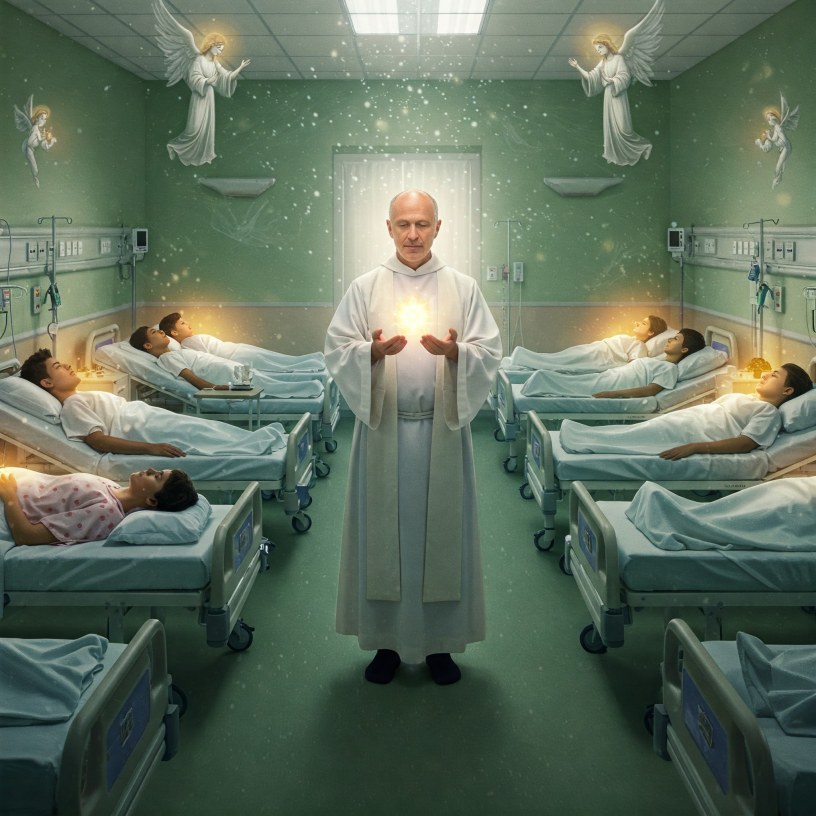
The sterile scent of antiseptic clung to my nostrils, a stark contrast to the cloying sweetness I’d come to associate with lingering psychic residue. This wasn’t a home; it was a hospital, a place of both healing and profound suffering. And it was sick. Not with bacteria or viruses, but with something far more insidious: the accumulated weight of pain, fear, and grief.
I’d been called in by the head administrator, a woman with tired eyes and a voice that held a tremor of desperation. “We’ve tried everything,” she’d said, her gaze sweeping across the long, dimly lit corridor. “The staff… they’re exhausted. Patients… they’re restless, agitated. Even the machines seem to malfunction more often than usual.”
The feeling was palpable. A heavy, oppressive atmosphere that clung to the walls, seeped into the floors, and hung in the air like a damp shroud. It wasn’t just the inherent sadness of a place where people faced illness and mortality; it was something else, something… thick.
My first task, as always, was assessment. I walked the halls, the wards, the operating rooms, feeling with my senses, my intuition. The energy was fractured, chaotic. Echoes of screams, whispers of fear, the silent, heavy grief of loss. I saw, not with my eyes, but with my inner sight, the imprints of trauma – the frantic attempts to save a life, the quiet acceptance of a terminal diagnosis, the raw, unfiltered terror of the unknown.
The emergency room was a vortex of energy, a swirling chaos of adrenaline and despair. The operating rooms, cold and clinical, held the sharp, metallic tang of fear and the lingering echoes of pain. The pediatric ward, usually a place of hope, felt heavy with the silent tears of worried parents.
I started with the physical cleansing. This wasn’t just about mopping floors and wiping down surfaces; it was about clearing stagnant energy. I opened windows, letting in fresh air and sunlight, even though it was a cloudy day. I moved furniture, rearranging the flow of the rooms, breaking up the patterns of stagnation. I brought in plants, living things to breathe life back into the space.
Then came the symbolic cleansing. I burned sage, its pungent smoke curling through the corridors, carrying away the lingering negativity. I used palo santo, its sweet, woody scent grounding and purifying. I visualized the smoke as a cleansing wave, washing away the psychic residue, leaving behind a sense of lightness.
Sound was my ally. I brought in singing bowls, their resonant tones vibrating through the walls, breaking up the dense, negative energy. I chanted, my voice a low, steady hum, a counterpoint to the discordant echoes of the past. I played gentle, calming music, filling the space with soothing vibrations.
Crystals, too, played their part. Amethyst for peace and tranquility, rose quartz for compassion and healing, clear quartz for clarity and purification. I placed them strategically throughout the hospital, their energies radiating outwards, creating pockets of calm.
I focused on the emotional history of the building. I acknowledged the pain that had been endured within its walls, the fear, the grief, the loss. I didn’t try to erase it, but to transmute it, to transform it into something less destructive, something more… bearable. I spoke to the building, to the land it stood on, offering words of comfort and healing.
I created sacred spaces, small altars in quiet corners, places for staff and patients to find a moment of peace. I encouraged them to light candles, to leave offerings, to connect with their own inner strength.
I set clear intentions for the hospital. I visualized it as a place of healing, a sanctuary of compassion and hope. I affirmed that it was a safe space, a place where people could find comfort and support. I prayed for the well-being of everyone who entered its doors.
I fostered a sense of community. I encouraged staff to talk about their experiences, to share their feelings, to support each other. I reminded them that they were not alone, that they were part of a team, a community dedicated to healing.
I addressed the physical damage, the broken equipment, the leaky faucets. I saw them not as mere inconveniences, but as symbols of the hospital’s disarray, its lack of wholeness. I worked with the maintenance staff to repair and restore, to bring order back to the space.
I introduced positive sensory experiences. I brought in essential oils, lavender for calming, citrus for uplifting. I played soothing nature sounds, filling the air with the gentle rhythm of the ocean and the rustling of leaves. I encouraged the use of soft textures and warm colors, creating a more inviting and comforting atmosphere.
I focused on the flow of energy. I rearranged furniture to create clear pathways, allowing energy to circulate freely. I opened windows and doors, allowing fresh air to flow through the building.
I encouraged acts of kindness and generosity. I organized volunteer programs, bringing in musicians and artists to brighten the patients’ days. I encouraged staff to offer small acts of kindness, a gentle touch, a listening ear, a warm smile.
I cultivated gratitude. I acknowledged the dedication of the staff, the resilience of the patients, the healing that took place within those walls. I thanked the building for its service, for providing shelter and care.
This wasn’t a one-time event; it was an ongoing process. I returned regularly, monitoring the energy, offering support, and reinforcing the positive intentions. I taught the staff simple techniques for clearing their own energy, for maintaining a sense of peace and balance.
Slowly, the atmosphere began to shift. The heavy, oppressive feeling lifted. The staff seemed lighter, more energized. The patients were calmer, more at ease. The machines malfunctioned less frequently.
The hospital became a place of healing, not just for the body, but for the soul. The energy was lighter, brighter, more vibrant.
Laughter echoed through the corridors, and the scent of antiseptic was now mingled with the sweet aroma of flowers.
The healing of the hospital was the healing of the people within it. The staff, the patients, the families – all felt the shift, the transformation. The hospital was no longer a place of fear and suffering, but a sanctuary of hope and healing. And I, the one who had helped to guide it there, felt a deep sense of peace and satisfaction.
 Prince Wealth