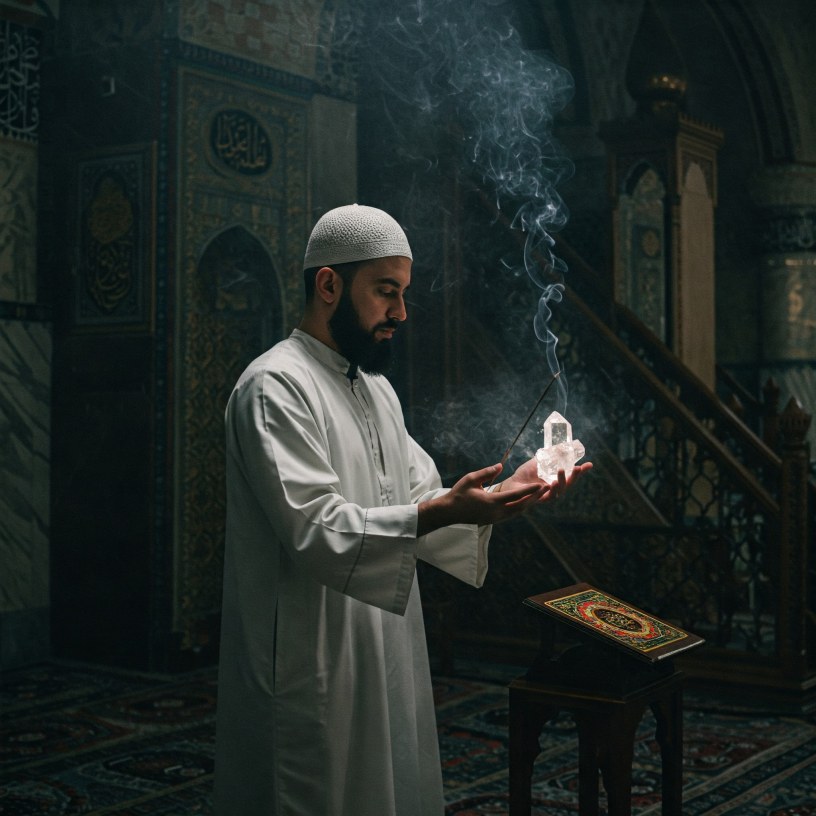
The call came late, a hushed, urgent whisper on the phone. Not a shriek, not a plea, but a deep, resonant tremor that spoke of a burden too heavy to bear. They called it “unsettling,” “a weight,” “a sickness of the spirit.” They called it home, a house of God, a mosque, and they said it was ill.
I arrived at dawn, the first tendrils of light painting the minaret against the bruised purple of the pre-dawn sky. The air, usually thick with the scent of incense and the quiet murmur of prayer, was heavy, stagnant. A coldness clung to the stone walls, a chill that seeped into my bones, even in the desert heat.
This wasn’t a private home, a place of isolated suffering. This was a place of community, a sanctuary, a place where hundreds gathered daily, thousands on Fridays. It was a place of hope, of solace, of connection to the divine. And it was sick.
My first task was to walk the grounds, to listen, to feel. The courtyard, usually vibrant with the bustle of worshippers, was eerily silent. The prayer hall, the mihrab pointing towards Mecca, felt shadowed, the echoes of prayers distorted, twisted. The ablution area, the place of ritual cleansing, felt tainted, the water heavy, almost viscous.
And then there was the cemetery, the quiet city of the dead, nestled against the mosque walls. The air there was thick, heavy, laden with grief, not the natural grief of mourning, but something darker, something… restless. The earth felt disturbed, the stones cold, radiating a strange, unsettling energy.
The imams, their faces etched with worry, spoke of strange occurrences. Whispers in empty hallways, shadows that flickered in the corners of their eyes, a sense of unease that permeated every corner of the mosque. The worshippers, too, felt it – a heaviness during prayers, a sense of being watched, a fear that lingered long after they left the sanctuary.
I began the cleansing. First, the physical. The mosque was spotless, meticulously maintained, but the energy was stagnant. We opened every window, every door, letting the desert wind sweep through the halls, carrying away the stale air. We swept the floors, not just with brooms, but with intentions, visualizing the dust as negative energy being banished.
We cleansed the ablution area, pouring fresh water, infused with rosewater and saffron, into the basins, visualizing it as a purifying stream, washing away the taint. We cleaned the mihrab, the focal point of prayer, with sandalwood oil, restoring its sacredness.
Then came the symbolic cleansing. We burned bukhoor, the fragrant smoke curling upwards, carrying our prayers for purification. We recited verses from the Quran, the words resonating through the halls, a counterpoint to the discordant energies. We used rosewater to anoint the walls, the doors, the mihrab, a symbol of divine grace and purification.
The cemetery was a different matter. The earth there was disturbed, the energy thick and cloying. We recited prayers for the departed, offering solace to their restless souls. We placed white roses on each grave, symbols of peace and remembrance. We scattered earth from Mecca, a sacred offering, a grounding force.
We focused on the emotional history of the place. We acknowledged the grief, the sorrow, the pain that had been absorbed by the walls, the earth. We spoke to the mosque, to the land it stood on, offering words of comfort, of healing. We acknowledged the pain, and asked it to be released.
We created sacred spaces within the mosque, small altars in quiet corners, places for reflection and prayer. We encouraged the imams and worshippers to light candles, to offer flowers, to connect with their faith, to strengthen the positive energy.
We set clear intentions for the mosque. We visualized it as a sanctuary of peace, a beacon of light in the community. We affirmed that it was a safe space, a place of healing and connection to the divine. We prayed for the well-being of everyone who entered its doors.
We fostered a sense of community, encouraging open communication, shared prayer, and mutual support. We reminded the worshippers that they were not alone, that their faith was a source of strength, a shield against negativity.
We addressed any physical damage, any signs of neglect, restoring the mosque to its full glory. We repaired broken tiles, replaced worn carpets, ensuring that the physical space reflected the sacredness of its purpose.
We introduced positive sensory experiences. We filled the mosque with the scent of roses and sandalwood, the sound of gentle recitation, the soft glow of candlelight. We encouraged the use of vibrant colors, symbols of joy and celebration.
We focused on the flow of energy. We rearranged furniture, creating clear pathways for movement and prayer. We opened windows and doors, allowing the desert wind to circulate, carrying away stagnant energy.
We encouraged acts of kindness and generosity. We organized community events, bringing people together in celebration and service. We encouraged acts of charity, acts of compassion, acts of love.
We cultivated gratitude. We acknowledged the dedication of the imams, the devotion of the worshippers, the sacredness of the space. We thanked the mosque for its service, for providing shelter, for providing a connection to the divine.
This wasn’t a one-time event. It was an ongoing process, a continuous effort to maintain the sanctity of the space. We taught the imams and worshippers simple techniques for clearing their own energy, for maintaining a sense of peace and balance.
Slowly, the atmosphere began to shift. The heaviness lifted, replaced by a sense of peace and tranquility. The whispers faded, the shadows disappeared. The worshippers felt lighter, more connected to their faith.
The mosque became a sanctuary once more, a beacon of light in the community. The energy was vibrant, alive, filled with the echoes of prayer, the scent of incense, the warmth of community. And I, the one who had helped to guide it there, felt a deep sense of peace, a sense of fulfillment. The house of God was healed.
 Prince Wealth